The story of San Francisco's retail environment in the post-pandemic era has leaned grim, with much discussion about an "urban doom loop" and significant business closures in key areas such as Union Square and the Civic Center. The discourse has dialed in on weaker return-to-office rates and concerns over urban crime.
However, in the background of this narrative, parts of San Francisco have seen retail thrive in residential and traditionally "less significant" retail corridors. Is there more to the story than the headlines suggest?
The Challenges: Confronting the "Doom Loop" Narrative
Like much of California, San Francisco experienced a notable population decrease during the COVID-19 pandemic, exacerbated by heightened work-from-home (WFH) rates. This exodus to regions with lower living costs left the city center in a precarious position.
- WFH & Transit: San Francisco's WFH rates remain above the national average, contributing to reduced weekday mass-transit ridership.
- High-Profile Departures: The reduced foot traffic from commuters has led to high-profile closures in the San Francisco Centre (formerly Westfield), including the notable departures of Nordstrom and Macy’s from Union Square.
- The "Crisis" Image: These closures, paired with concerns around crime, have painted a picture of a downtown core in crisis, with retail taking center stage.
Signs of Resilience and Growth
Contrary to the "doom and gloom" narrative, the retail story in San Francisco is not as bleak as it may initially seem. Since 2021, the city has experienced a population resurgence, leading the state of California in growth, trailing only three rural counties.
The Rebound in Office Demand
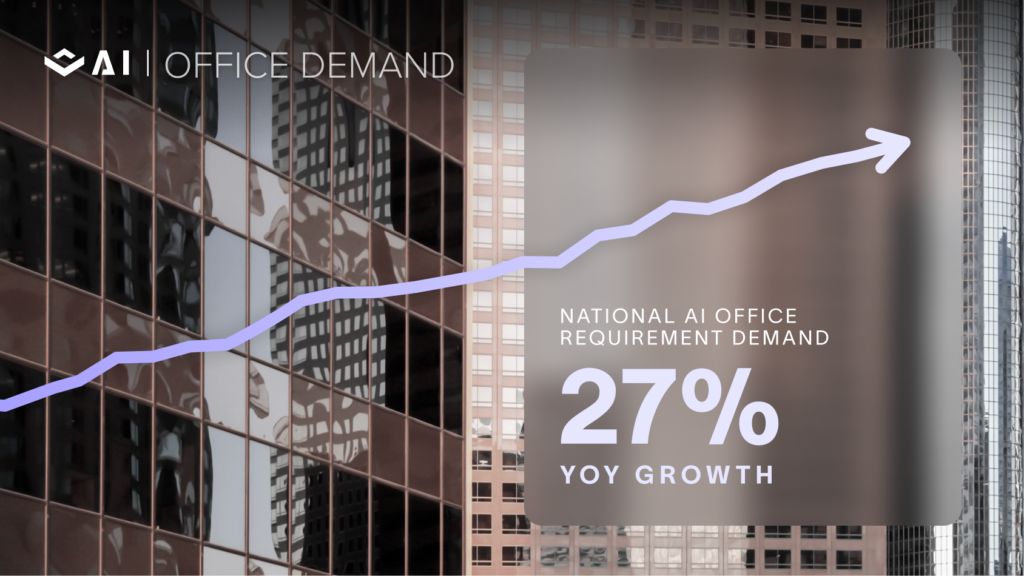
This resurgence is reflected in the VTS Office Demand Index (VODI), which indicates a rebound in office demand and a corresponding increase in downtown foot traffic. As of early 2026, San Francisco has emerged as one of the nation's leading office markets, driven largely by an AI-fueled expansion in the tech sector.
The Neighborhood Shift: Residential Corridors
Niche high-end retailers have begun setting up in affluent residential areas, signaling a shift in where San Franciscans shop. District 5—encompassing Japantown, Hayes Valley, and Haight-Ashbury—has reported increases in tax revenues and year-over-year store sales, reflecting sector growth outside the downtown core.
Downtown Revitalization: Luxury and "Vacant to Vibrant"
Even within the downtown core, luxury retail is seeing a significant comeback. Union Square has witnessed new openings and expansions from luxury brands such as BVLGARI, Chanel, Yves Saint Laurent, and Van Cleef, mirroring high-end trends in New York and Chicago. Additionally, the introduction of a new four-story Zara flagship and ventures by IKEA hint at a rejuvenated landscape.
Turning Vacancy into Opportunity
The city's "Vacant to Vibrant" program is playing a pivotal role in this revival.
- Pop-Up Success: The program has supported dozens of pop-up stores downtown, with 65% of inaugural participants transitioning into long-term leases.
- Fresh Energy: By injecting variety and local entrepreneurship into empty storefronts, this initiative is helping to re-energize iconic corridors like Powell Street.
Conclusion: A Dynamic and Evolving Sector
As San Francisco continues its recovery, the retail landscape shows promising signs of a multifaceted resurgence. The city's ability to adapt—leveraging its affluent residential neighborhoods and the steady, AI-driven return of office workers—suggests a promising future. While challenges remain in ensuring downtown safety and attractiveness, the current trends point toward a dynamic and evolving retail sector.
Looking for more? Read about trends shaping urban and suburban retail hubs across the country.
FAQs
1. Is the "Urban Doom Loop" still the dominant story for San Francisco?
While downtown closures make headlines, the data shows a divergent story. Residential districts like Hayes Valley are seeing record sales, and the VTS Office Demand Index shows that San Francisco's office leasing is currently outpacing most of the nation due to the AI boom.
2. How is the "Vacant to Vibrant" program helping downtown?
The program matches small businesses and artists with vacant storefronts. It has been highly successful, with the majority of pop-ups signing permanent leases, effectively reducing vacancy rates and bringing unique, local energy back to the Financial District and Union Square.
3. Why are luxury brands expanding in Union Square despite other closures?
Luxury brands like Chanel and Yves Saint Laurent often take a long-term view of prime real estate. They are betting on the "flight-to-quality" trend, where high-end shoppers continue to frequent iconic locations, even as mid-market department stores struggle to adapt.