In a year defined by post-pandemic economic challenges, labor shortages, and staggering office vacancies, retail has miraculously emerged as the top-performing asset class. At this year's ICSC New York, the message from industry leaders was clear: Retail is back. While other sectors navigate uncertainty, retail landlords are entering 2024 with record-breaking fundamentals and a revitalized consumer base.
Shifting Consumer Behavior: The Power of the "Halo Effect"
Post-pandemic consumer behavior has evolved into a sophisticated omnichannel model. Tenants are seeing sales per square foot skyrocket as "buy online, pick up in-store" (BOPIS) becomes the standard.
According to ICSC’s "The Halo Effect III" report, physical stores are critical to digital success. The research reveals that opening a brick-and-mortar store in a new market results in a 6.9% lift in online sales for that region. Conversely, online sales plummet when a physical location closes, proving that brick-and-mortar is the "anchor" of the modern shopping basket.
Resilient Asset Classes: Grocery and Strip Malls
While discretionary spending has tightened, grocery-anchored shopping centers continue to outperform almost every other asset class. Recent data shows that Hispanics and Black adults visit shopping centers roughly 1.5x more frequently (8–9 weekly trips) than the national average, often driven by these convenience-based essentials. We expect strip mall traffic and grocery-anchored sales to remain resilient despite high interest rates.
The Great AI Race: Replacing Tasks, Not People
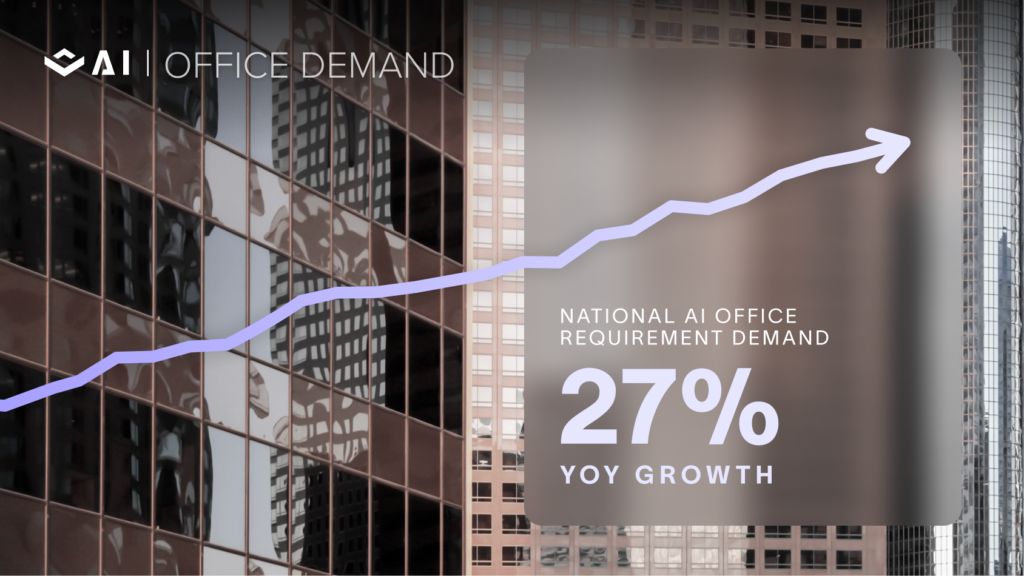
AI was the dominant theme at ICSC, but leaders were quick to clarify the mission. AI is not coming to replace your job; it is coming to replace your tasks. By automating time-consuming administrative work, teams can pivot toward high-impact strategic initiatives.
- Adoption Rates: Experts from JLL noted that half of their weekly AI users now use the tool daily.
- Security First: To mitigate privacy risks, firms like JLL and Brixmor are developing in-house generative AI solutions to keep proprietary data secure.
Capital Markets: Why Retail is the "Safe Haven" of 2024
Debt remains expensive, but retail is standing on firm ground. Per CBRE's Retail Outlook, market fundamentals are at their strongest since tracking began in 2005.
Crucially, while a wave of loan maturities is approaching, only 10–15% of those are in retail. This low exposure to debt distress makes retail a far more "rosy" prospect for capital deployment compared to the broader commercial market.
The New Landlord Strategy: Partnership Over Push-and-Pull
The pandemic turned the traditional landlord-tenant relationship upside down. What used to be a tense negotiation has evolved into a strategic partnership. Landlords are now viewed as service providers responsible for:
- Fulfillment Support: During lockdowns, landlords helped convert centers into temporary fulfillment hubs.
- Safety & Experience: Retailers now rely on landlords to create the clean, safe "Third Place" environments that drive foot traffic.
Looking Ahead: Technology as the Great Differentiator
As we look toward 2024, the commercial real estate industry is undergoing an identity crisis, but the "winners" are already clear. According to VTS Data, those who prioritize technology in their strategic decision-making, utilizing clean data to predict tenant interest, will consistently outperform the market.
While the road to recovery has been long, the opportunities are bountiful for those who know how to find them.
2024 Retail Trends FAQs
1. Is physical retail still relevant in 2024?
Yes. Physical retail is the primary driver of digital sales. ICSC research shows that opening a store creates a "Halo Effect," increasing a brand's regional online traffic by nearly 7%. Additionally, in-store returns are 3x less frequent than online returns, significantly improving retailer margins.
2. Which retail assets are performing best right now?
Grocery-anchored centers and convenience-based strip malls are the top performers. These assets benefit from "non-discretionary" spending, meaning they maintain steady foot traffic and sales even during periods of high interest rates or economic tightening.
3. How is AI being used by retail landlords?
Landlords are using AI to replace repetitive tasks in marketing, research, and data categorization. Firms are also building in-house generative AI solutions to protect data privacy while leveraging large language models to predict tenant demand and optimize leasing workflows.